
Compare and Connect with Local Contractors for Interior Home Improvement
Compare local contractors to define project scope, verify experience, and set clear expectations for your interior home improvement project.
Interior home improvement projects encompass a wide range of work aimed at enhancing the functionality, comfort, and aesthetic appeal of a property’s interior spaces. Common types of work include remodeling kitchens and bathrooms, installing new flooring, upgrading lighting fixtures, painting walls, and adding built-in storage solutions. These projects often involve coordinating multiple tasks and materials, making it important for property owners to clearly define what they want to achieve. Establishing a detailed scope helps ensure that everyone involved has a shared understanding of the work, which can prevent misunderstandings and help set realistic expectations for the project’s outcome.
Defining the scope of an interior improvement project is a crucial step that impacts how smoothly the work progresses. A well-outlined scope specifies the tasks to be completed, materials to be used, and the standards to meet, providing a clear framework for contractors to follow. When property owners articulate their needs and expectations in writing, it becomes easier to compare proposals from different service providers and assess their ability to meet those requirements. Clear scope definitions also serve as a reference point throughout the project, helping to manage changes and avoid scope creep, which can lead to misunderstandings or disputes.
Comparing local contractors for interior home improvements involves evaluating their experience, reputation, and approach to similar projects. Property owners should consider how each service provider understands the scope of work and whether they have the capacity to handle the specific tasks involved. It’s helpful to review their portfolios or references to verify past work and ensure familiarity with the type of project at hand. When reaching out to local contractors, providing a detailed description of the desired scope allows for more accurate comparisons and helps identify which professionals are best suited to meet the project’s needs. This approach supports making informed decisions when selecting a service provider for interior improvements.
Compare local contractors by outlining your priorities, verifying experience, and setting clear expectations in writing.
- Compare Contractor Qualifications - Review experience and credentials to ensure contractors are well-suited for your interior home improvement project.
- Define Project Scope Clearly - Establish detailed work descriptions to align expectations and prevent misunderstandings.
- Verify Experience and References - Check past work and references to assess the quality and reliability of local service providers.
- Document Agreements in Writing - Confirm all project details, including scope and responsibilities, are documented for clarity and accountability.
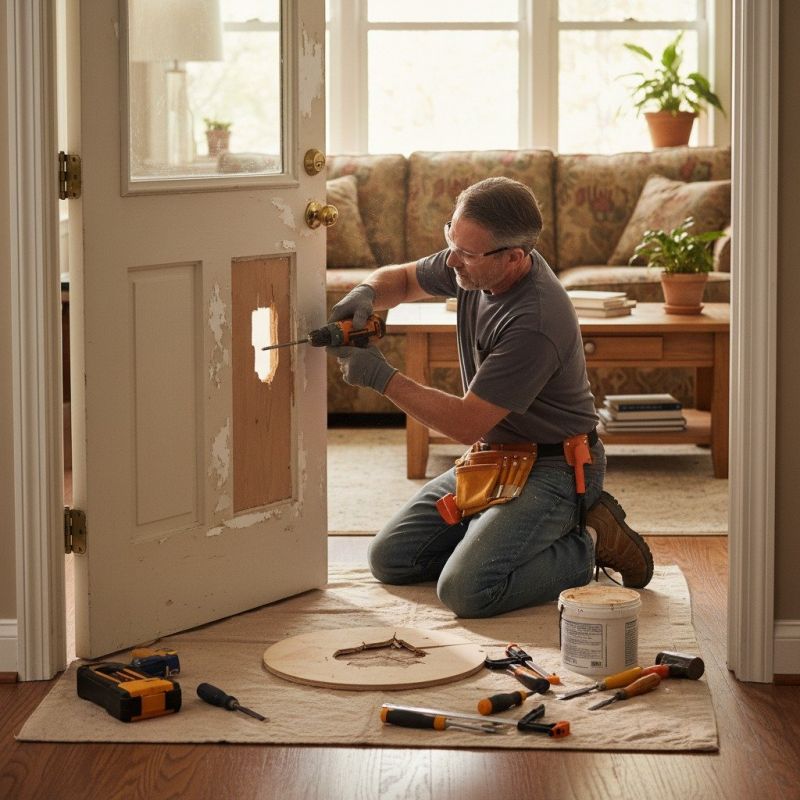
Clearly describe your interior home improvement project to effectively compare service providers and set clear expectations.
- Verify experience and references of local contractors for interior home improvements. Ensure they have a proven track record with similar projects to assess their expertise.
- Define the scope of work clearly in writing to prevent misunderstandings and set expectations. A detailed description helps compare proposals and ensures all parties are aligned.
- Check for consistency in bids and proposals from multiple service providers to evaluate scope and quality of work. Comparing detailed estimates can reveal differences in approach and professionalism.
- Request a detailed contract that outlines project scope, materials, and responsibilities to formalize the agreement. A comprehensive contract helps protect interests and provides a reference throughout the project.
- Assess communication and responsiveness of local contractors during initial interactions to gauge professionalism. Clear, prompt communication indicates reliability and commitment to the project.
- Confirm that the service providers are insured and have appropriate coverage for interior home improvement work. Proper insurance helps mitigate liability and ensures accountability during the project.
Compare local contractors, clarify project scope, verify experience, and document expectations for successful interior upgrades.



Learn how to compare interior home improvement contractors, define your project scope, verify experience, and set clear expectations in writing.
- Define project scope - clearly outline the specific interior improvements needed to guide contractor selection.
- Identify experience requirements - verify that service providers have relevant expertise in interior home upgrades.
- Establish material and design preferences - specify desired finishes, styles, and materials to ensure aligned expectations.
- Determine project priorities - clarify the most important aspects of the project, such as functionality or aesthetics.
- Document expectations in writing - create a detailed scope of work to facilitate accurate comparisons and agreements with local contractors.
When evaluating interior home improvement contractors, it’s essential to consider their experience with projects similar to the scope of work at hand. Service providers who have a proven track record with specific types of renovations-whether kitchen upgrades, bathroom remodels, or custom finishes-are more likely to understand the nuances and challenges involved. Asking about past projects that align with the desired improvements can help gauge their familiarity with the work and ensure they possess the relevant expertise to handle the job effectively.
A clear, written scope of work is a critical component in selecting a contractor. This document should outline specific tasks, materials, and responsibilities, providing a detailed roadmap of what the project entails. Having a comprehensive scope helps prevent misunderstandings and sets clear expectations for both parties. When comparing options, look for service providers who are willing to develop and agree upon a detailed scope before beginning work, as this demonstrates professionalism and a commitment to transparency.
Verification basics involve confirming that the service providers have the necessary background to perform the work competently. This includes reviewing their experience with similar projects, understanding their process for managing project details, and ensuring they can provide references or examples of completed work. It’s also important to verify that they follow industry standards and best practices, which can be assessed through consultation and documentation. Proper verification helps ensure that the chosen contractor has the capacity to deliver quality results.
Evaluating options without focusing on prices involves assessing the quality of communication, the clarity of proposals, and the professionalism demonstrated during initial interactions. Consider how well each service provider understands the scope of work and whether they can articulate their approach clearly in writing. Comparing the level of detail in their proposals, the thoroughness of their explanations, and their responsiveness can provide insight into their reliability and work ethic. This approach helps identify the most suitable contractor based on expertise and professionalism, rather than cost considerations alone.
Ask contractors to provide written scope details to ensure clear expectations and consistent project understanding.
- Experience and Past Work - How can I verify the experience and quality of previous interior home improvement projects completed by local contractors?
- Scope of Work - What details should be included when defining the scope of interior renovation or improvement projects?
- Services Offered - Do the service providers specialize in the specific type of interior work needed?
- Project Expectations - How can I ensure that the scope and expectations are clearly documented in writing?
- Comparison Criteria - What factors should be used to compare different local contractors beyond pricing and timelines?
How can I compare interior home improvement contractors? To compare contractors, review their experience, verify references, and evaluate their portfolio of past work to ensure they meet project expectations.
What should I consider when defining the scope of my project? Clearly outline the specific tasks, materials, and finishes desired, and communicate these details in writing to avoid misunderstandings with service providers.
How do I verify a contractor's experience? Ask for details about their previous projects similar to your needs and request references or reviews to assess their expertise and reliability.
Why is it important to have a written agreement with a contractor? A written agreement helps set clear expectations, defines the scope of work, and provides a record of agreed-upon details to prevent disputes.
What questions should I ask potential service providers? Inquire about their experience with similar projects, their process for managing work, and how they handle unexpected issues or changes during the project.
How can I ensure a contractor understands my vision? Provide detailed descriptions and visual references, and confirm that the scope and expectations are documented in writing before work begins.
Understanding the key aspects of interior home improvement projects can help ensure a smooth process. Visitors learned how to clearly define the scope of work, verify the experience of service providers, and set clear expectations in writing. These steps can assist in making informed comparisons among local contractors and finding options that align with specific project needs.
To explore and compare available service providers, using the quote form can be an effective way to connect with local contractors. This approach enables homeowners to gather information, evaluate options, and identify the right professionals for their interior home improvement projects.